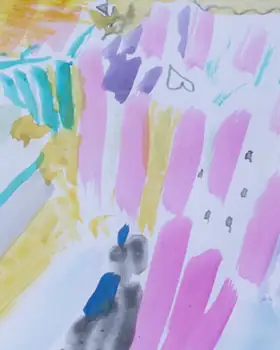
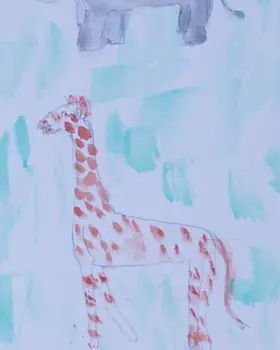
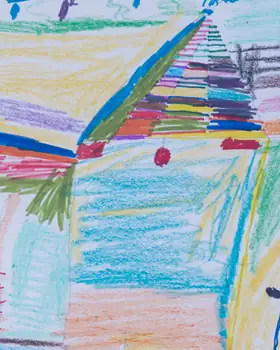
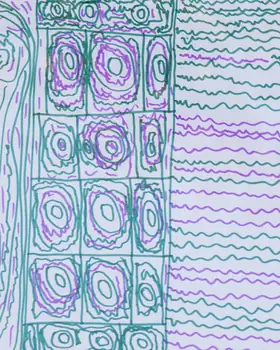
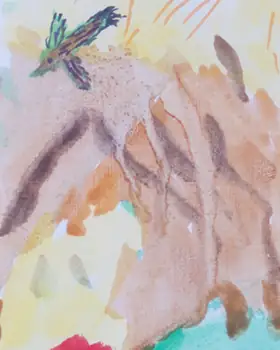
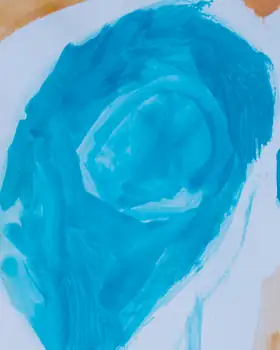
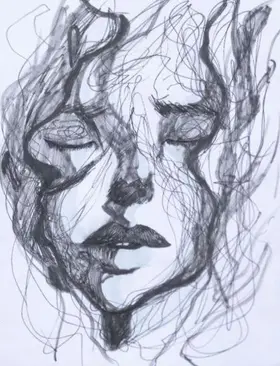
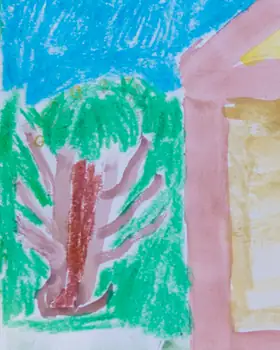
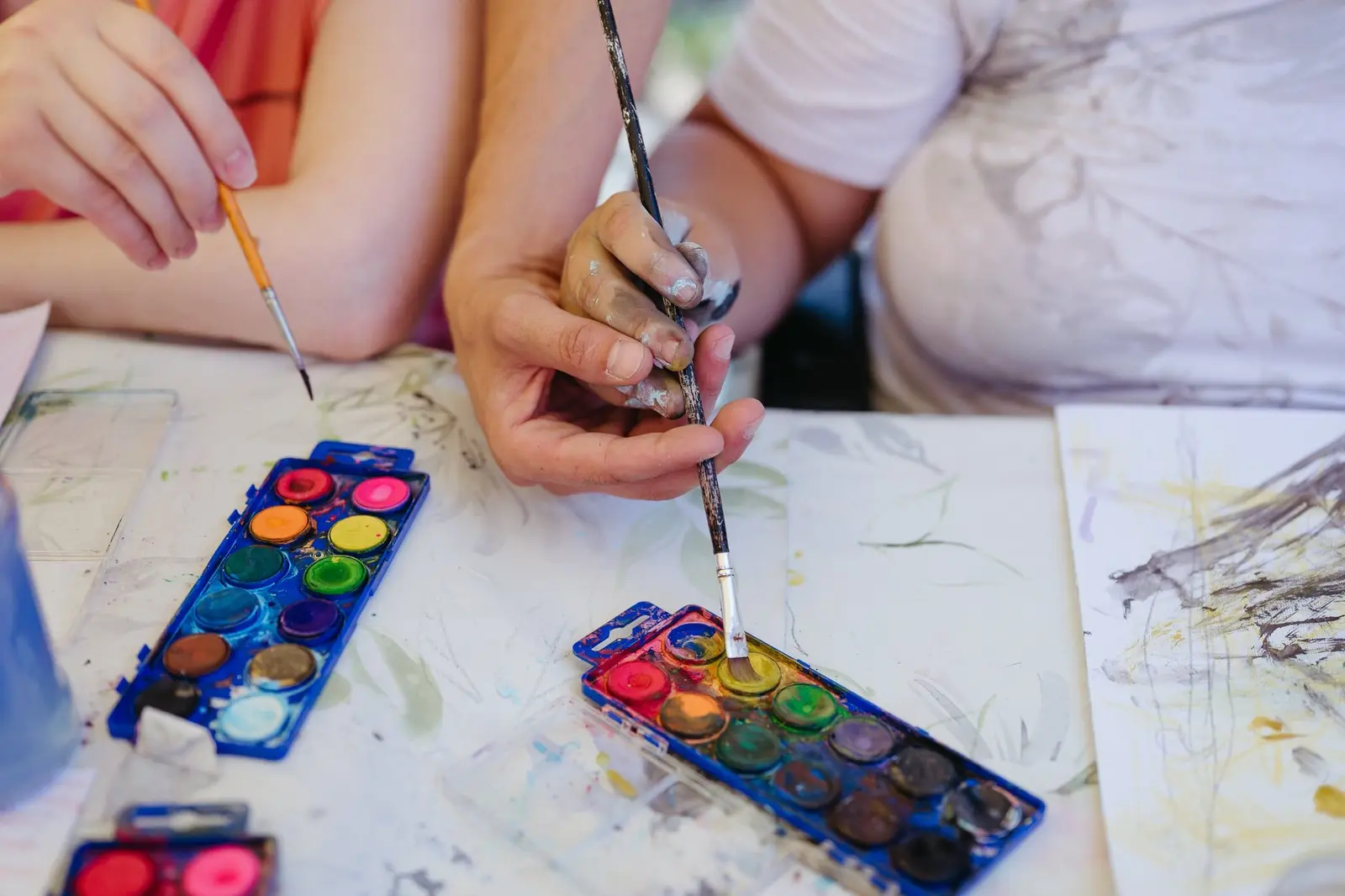
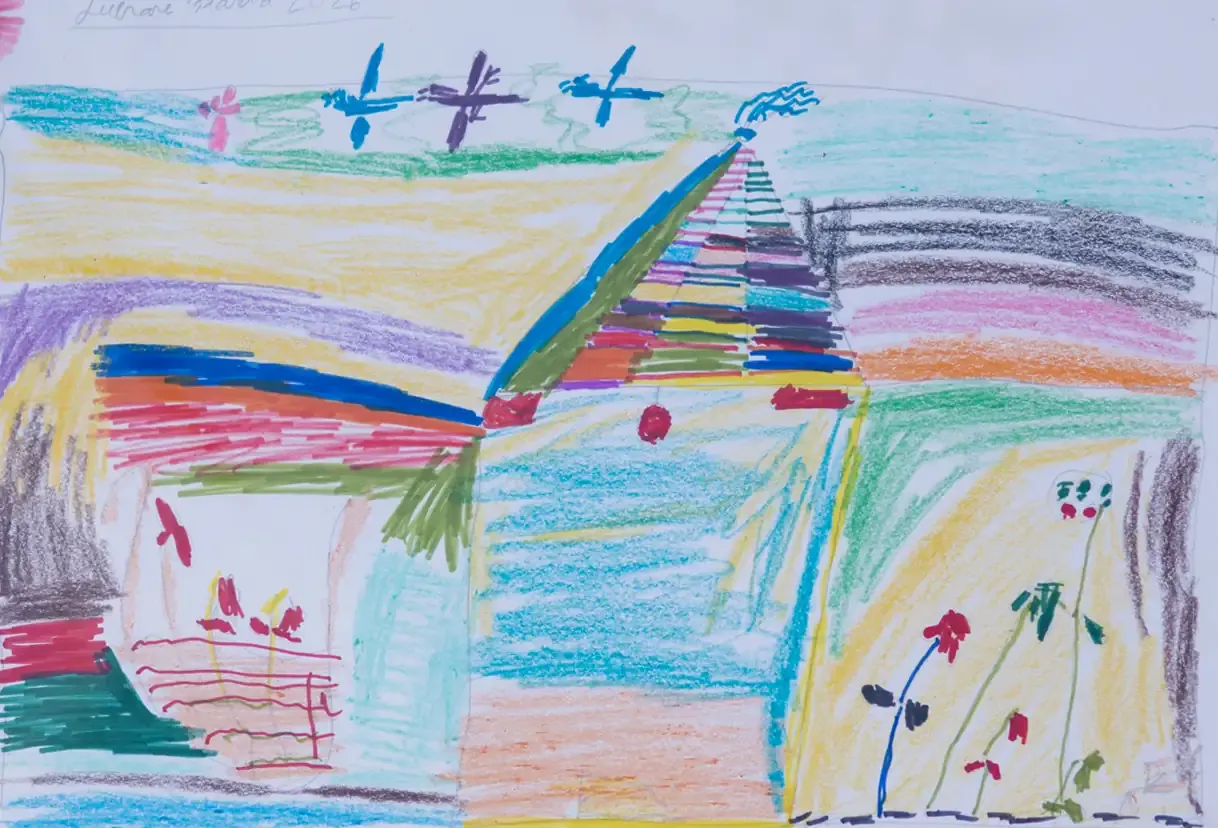
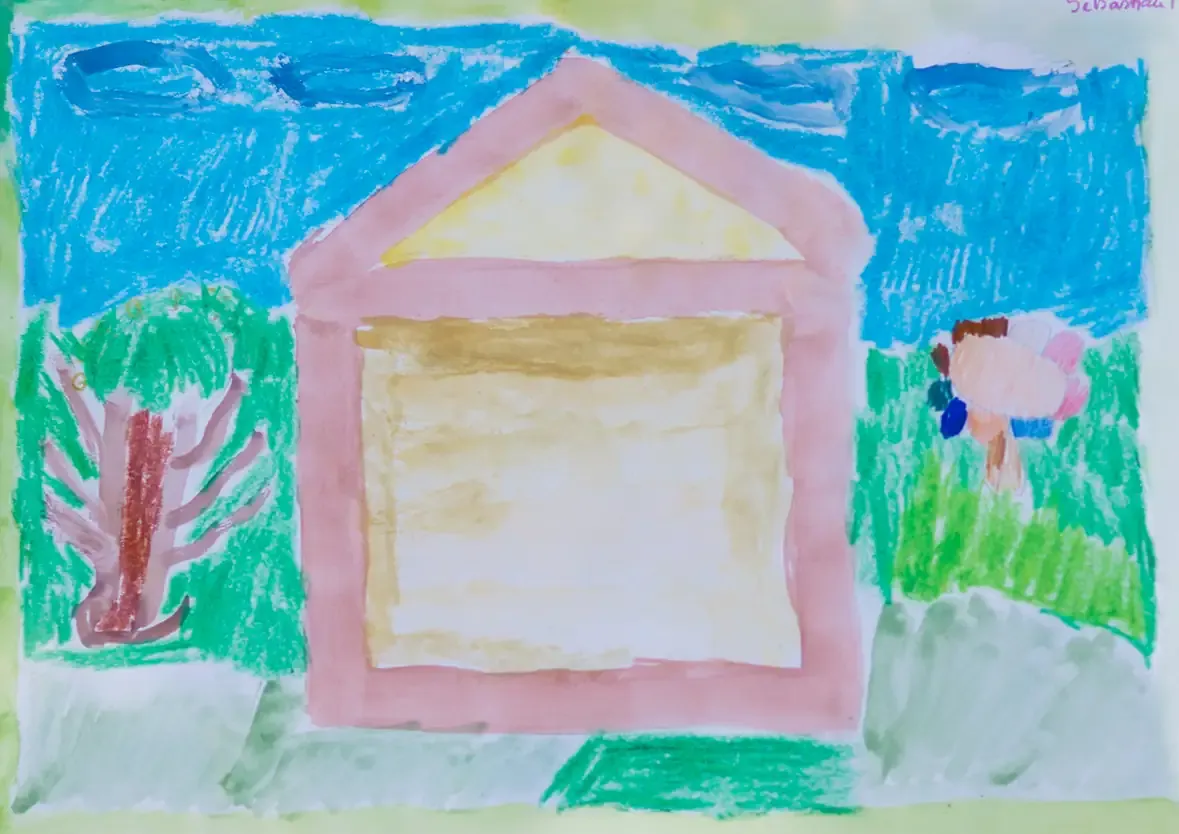
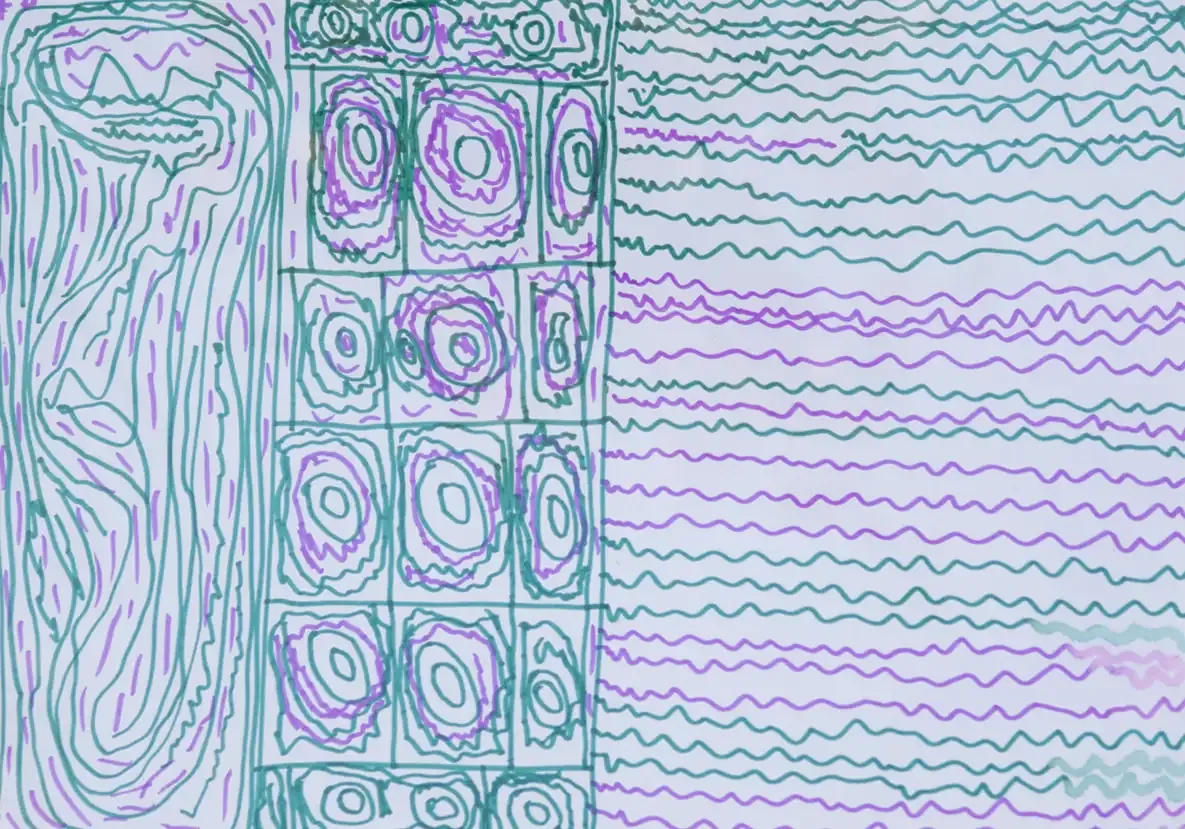
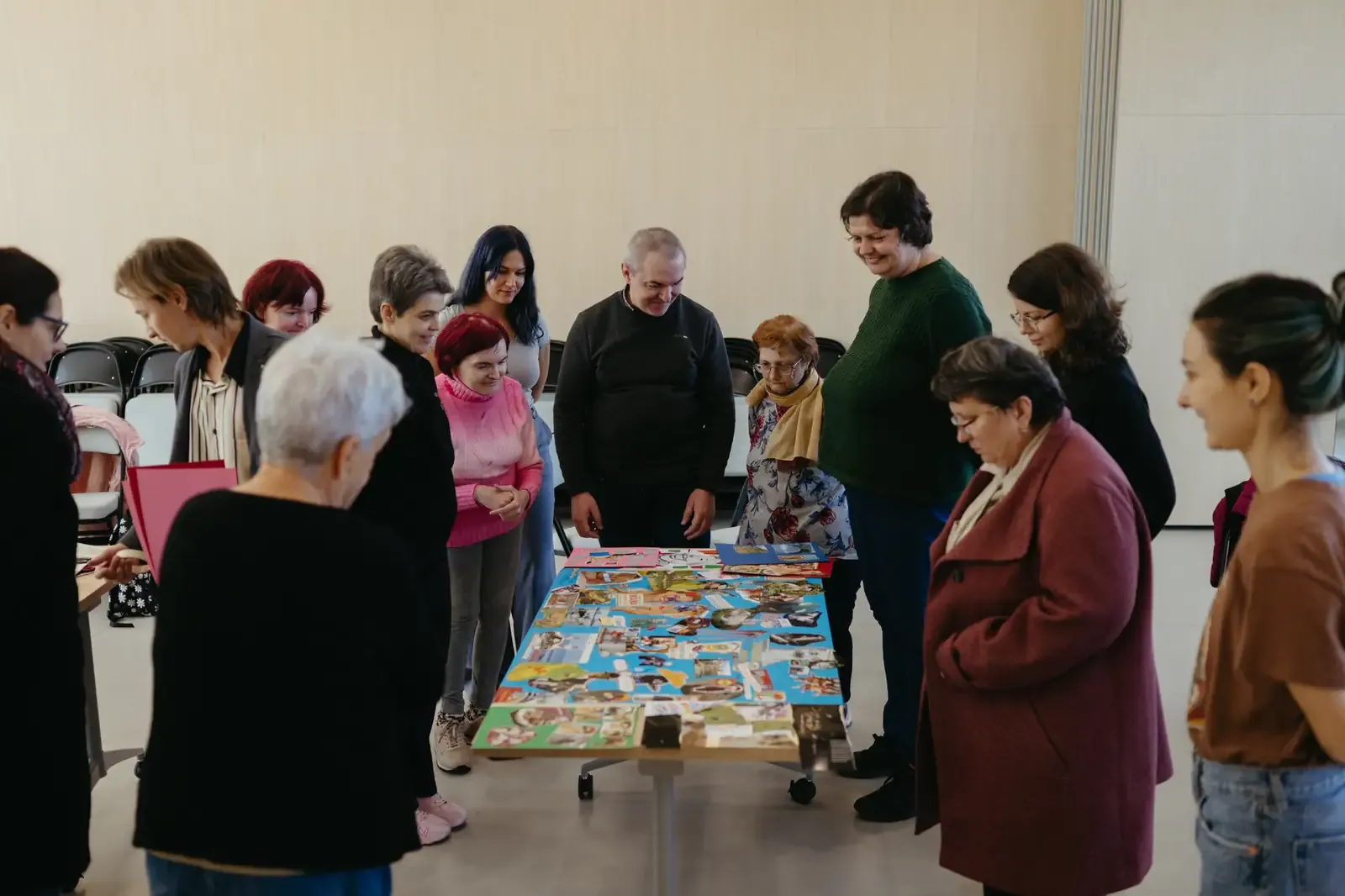
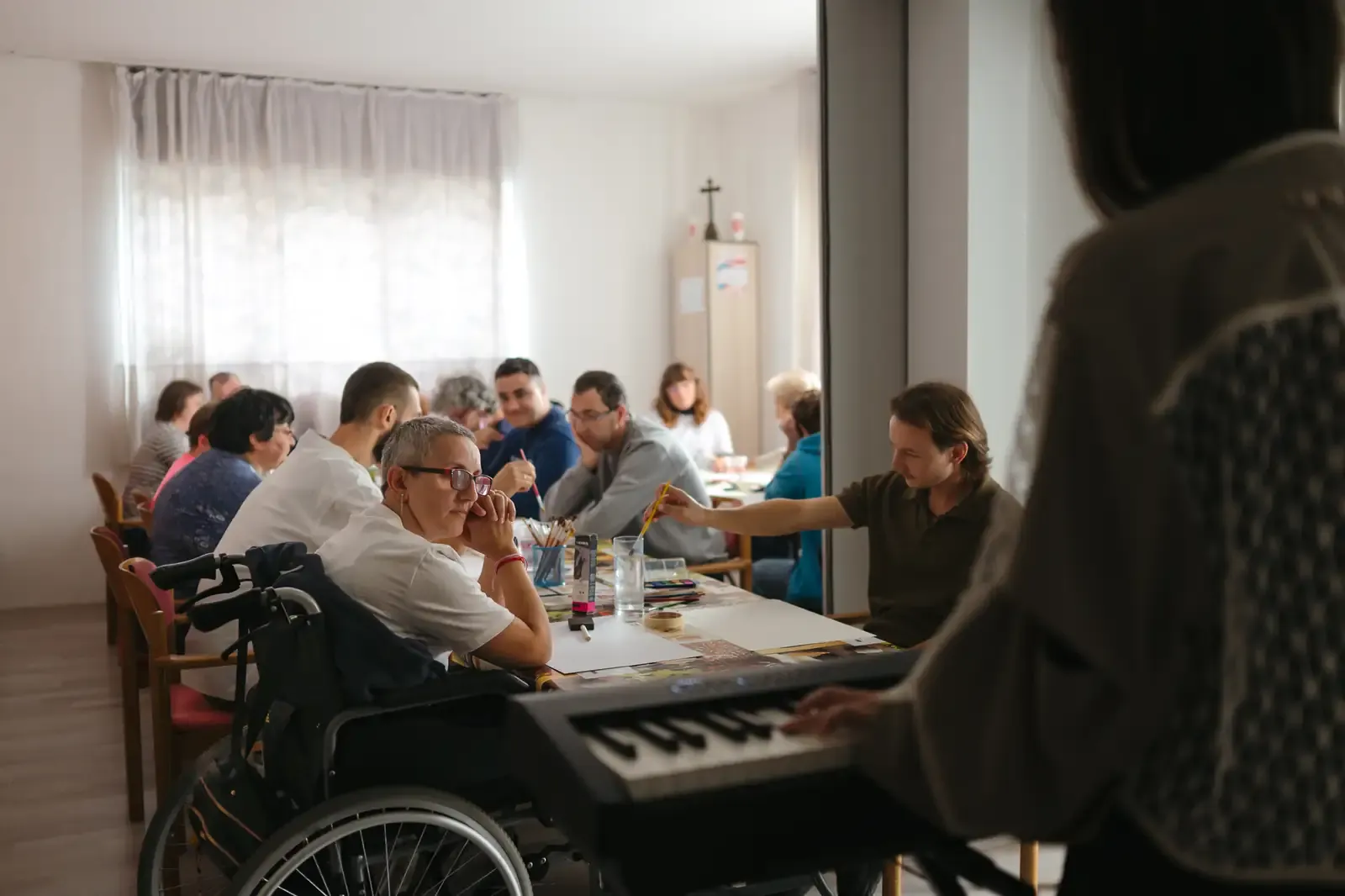
[Tünde Mezei speaks, alternating with footage from the Pas Cultural workshops.]
I’ve taken part in workshops before that were made specifically for them. But I really like that we set out to give them a context that helps them express themselves much more freely.
Over the course of the workshops, we noticed that they found it much easier to make decisions in their own art. We managed to put them in a context where they were no longer afraid of thinking: “I don’t know how to draw this.” And somehow we also changed how they see art itself, which can be very subjective, and the same element can look different for each of them.
And the positive effect of all this was that they started to work much more intuitively, they started to use different elements a little more consciously, perhaps.
[End card: Pas Cultural — access to artistic expression and participation in the cultural space. The logos of Start ONG by Kaufland, Vizibil, act for tomorrow and Kaufland.]
[Vlad Braga speaks, alternating with footage from the Pas Cultural workshops.]
Honestly, I think that in this project I was on the receiving end too, more than a facilitator, because meeting these wonderful people opened up in me an appetite to explore this creative, visual side, by hand, more than ever. I’m a visual artist, but I’m a photographer. But I have this side of me that really loves using my hands, carving or drawing; I like to be hands-on.
And seeing how these people welcomed us… I felt so welcome in the heart of their family, as if I already were… as if we’d known each other all our lives. And I’d set out with this fear, not knowing what kind of people we were heading to. I didn’t know how welcoming they’d be to strangers coming to teach them to paint. And they welcomed us so warmly, with open arms, that it was very easy for us, too, to get close to them, without doing anything special except enjoying what was there, too.
We always left with more motivation than we came in with. All those worries, sort of… It would go quiet, and it was like: yes, we’re actually here to enjoy this time spent with intention on creating something. And it’s absolutely wonderful.
[End card: Pas Cultural — access to artistic expression and participation in the cultural space. The logos of Start ONG by Kaufland, Vizibil, act for tomorrow and Kaufland.]
[Vlăduț Căliman speaks, alternating with footage from the Pas Cultural workshops.]
We had been running some activities, some workshops, aiming to find people with artistic inclinations who can bring added value to cultural life. And that’s where we felt the need for a series of workshops.
Workshops for these people: on the one hand, well-being workshops: OK, how do we use art, and roughly what are its benefits in relation to the participants with disabilities. And on the other hand: right, how can we use art to integrate people into the community? Because that’s what they can actually do: “Look, I express myself, I express my thoughts, my emotions, my ideas, on paper, and I don’t leave it in the cupboard, I don’t leave it in a drawer, I bring it out front, and look, this is me, this is how I express myself, and I want to be more visible.”
And really, that’s it: that’s the essence of the project.
[End card: Pas Cultural — access to artistic expression and participation in the cultural space. The logos of Start ONG by Kaufland, Vizibil, act for tomorrow and Kaufland.]
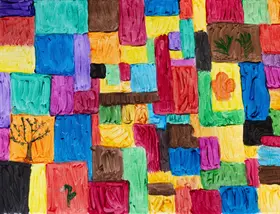
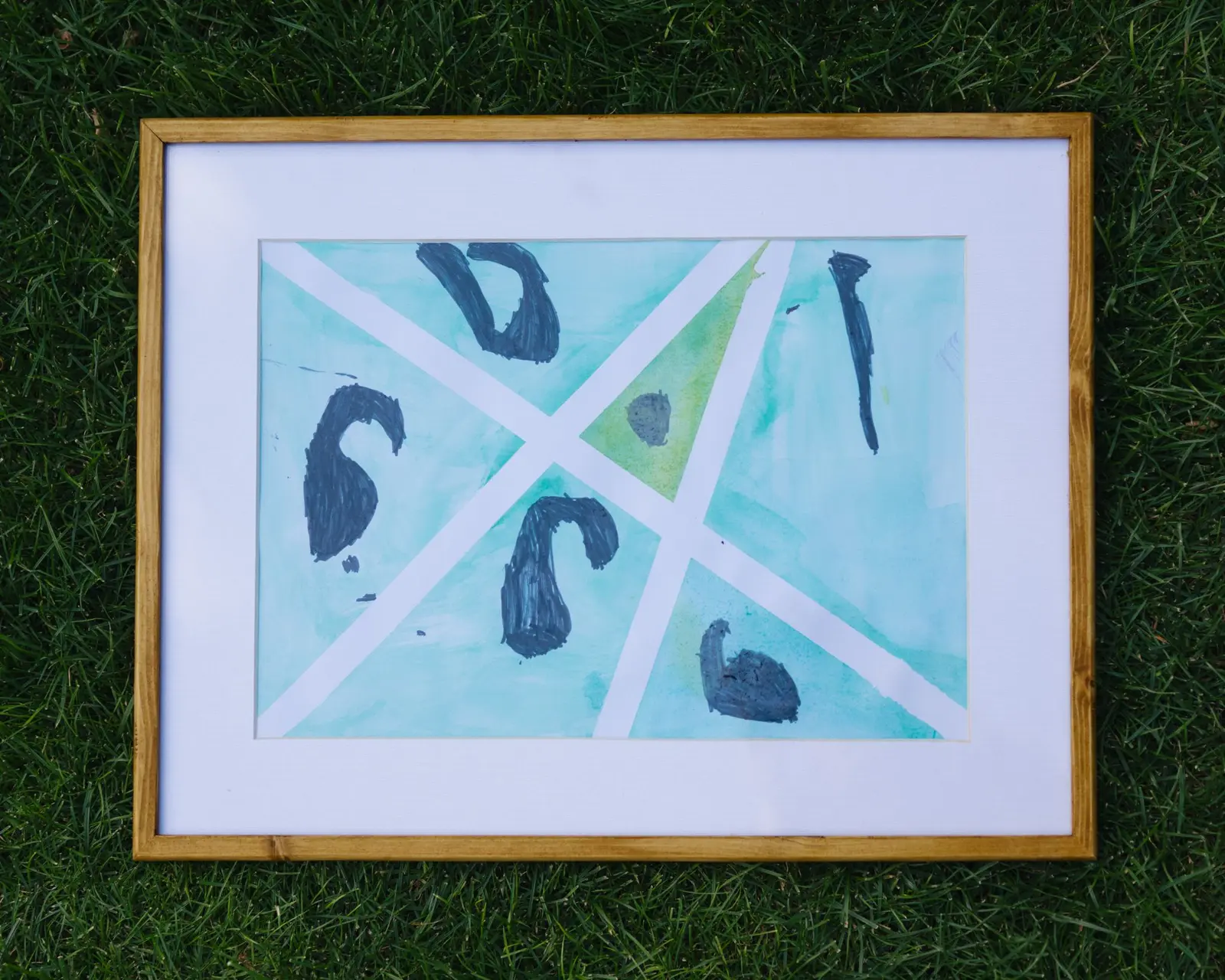
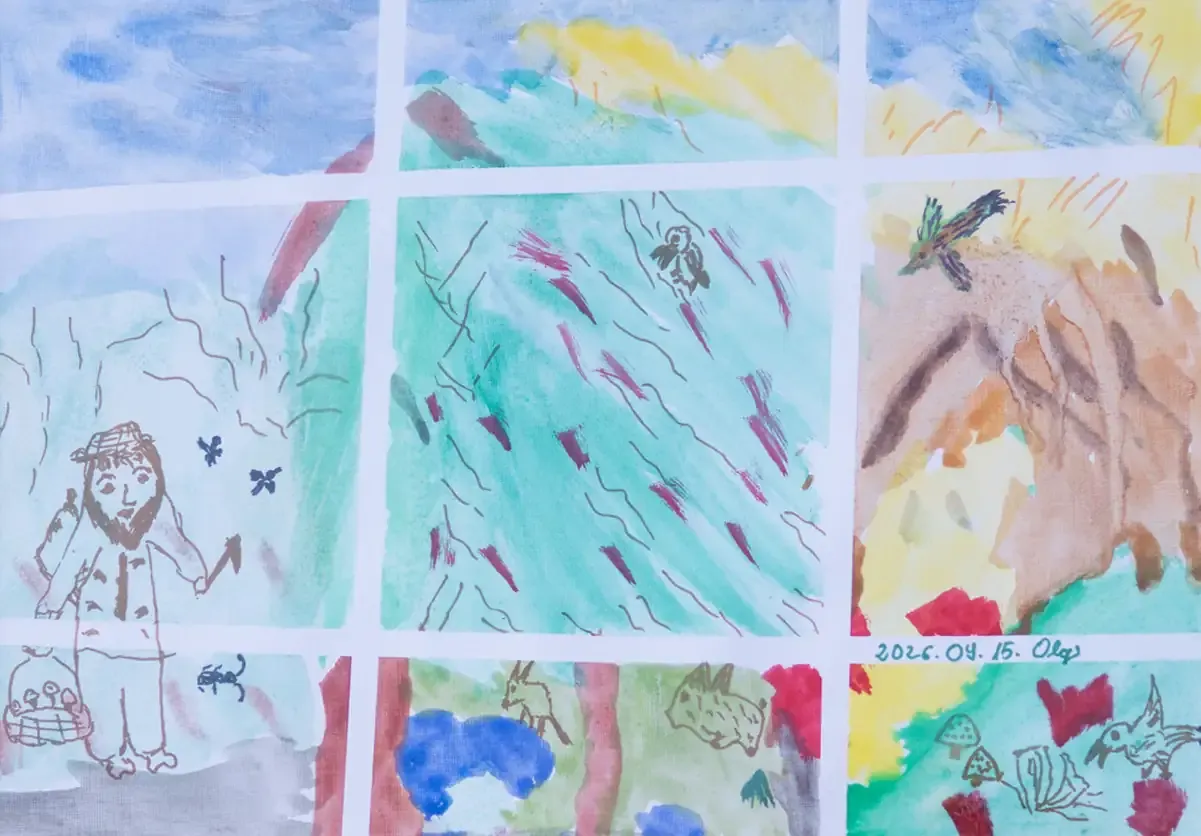
[The reporter’s voice:] The 10 artists selected from the partner centres will take part in a creative programme and will work from a common theme. The theme of the first exhibition is biophilia, the human tendency to seek a deep connection with nature.
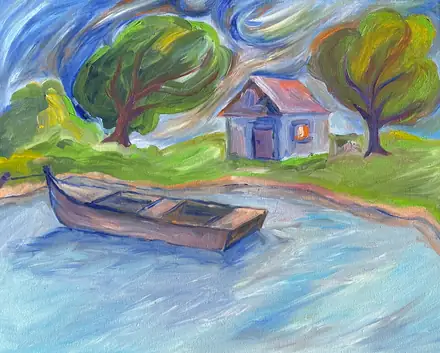
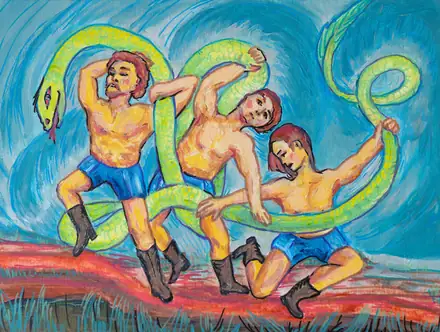
[An artist:] And all the paintings I painted, I made from my imagination, the way I felt it and the way I knew it had to be done. On every painting I wrote a little joke, so to speak, so it’s a kind of explanation. On this painting, which is called “Primăvara” (Spring), there is a dialogue: “You stand in front of me like a tree, but I have bowed to you. I’d better keep quiet; you’d better do the talking.”
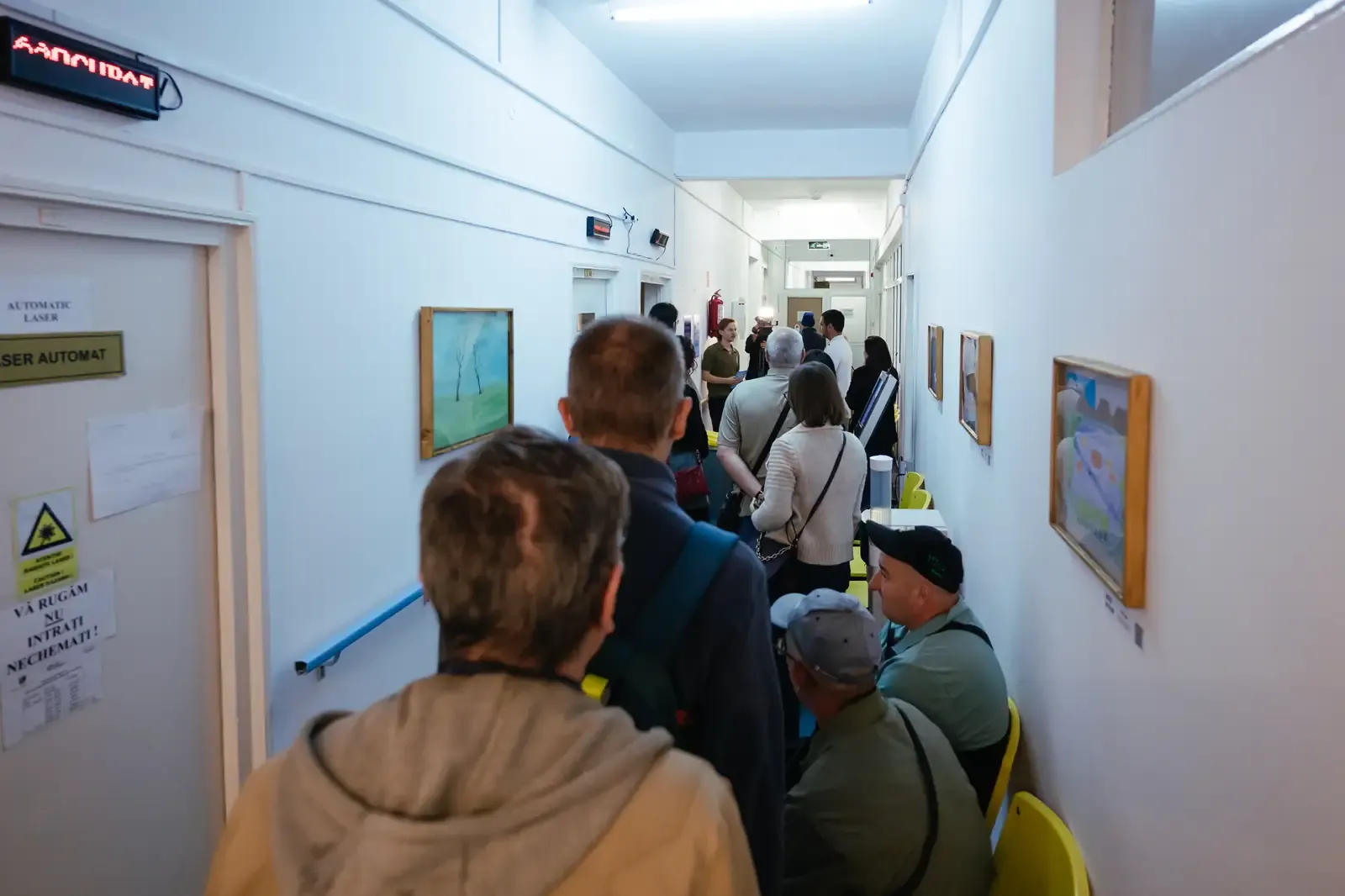
[The reporter’s voice:] The Între Spații project also sets out to bring to the public’s attention artists whose work rarely reaches the usual cultural spaces. Their works will be shown in a place that a great many people pass through every day.
[A representative of Asociația Vizibil:] What Între Spații sets out to do is to make cultural interventions in the hospital’s corridors and waiting areas, with the aim, on the one hand, of promoting the artists we work with: people who face under-representation or are often invisible in the Cluj community, even though we may see them every day. But we don’t know, we don’t know much about ourselves, really. It’s a community initiative, too.
[The reporter’s voice:] For patients, the people who come with them and the medical staff, the waiting areas are part of the hospital’s daily routine. Through this project, the initiators want these places to take on a new visual identity, through colour and works of art.
[A hospital representative:] It matters to us because, in the outpatient clinic, 1,200 to 1,300 patients come through our doors every day. We have always wanted the waiting areas to be beautiful spaces, warm spaces, where, while people wait for a consultation, a medical investigation or a treatment plan, we can somehow ease the anxiety, the stress of going to the doctor.
[The reporter’s voice:] The event is initiated by Asociația Vizibil and co-funded by the Administrația Fondului Cultural Național.